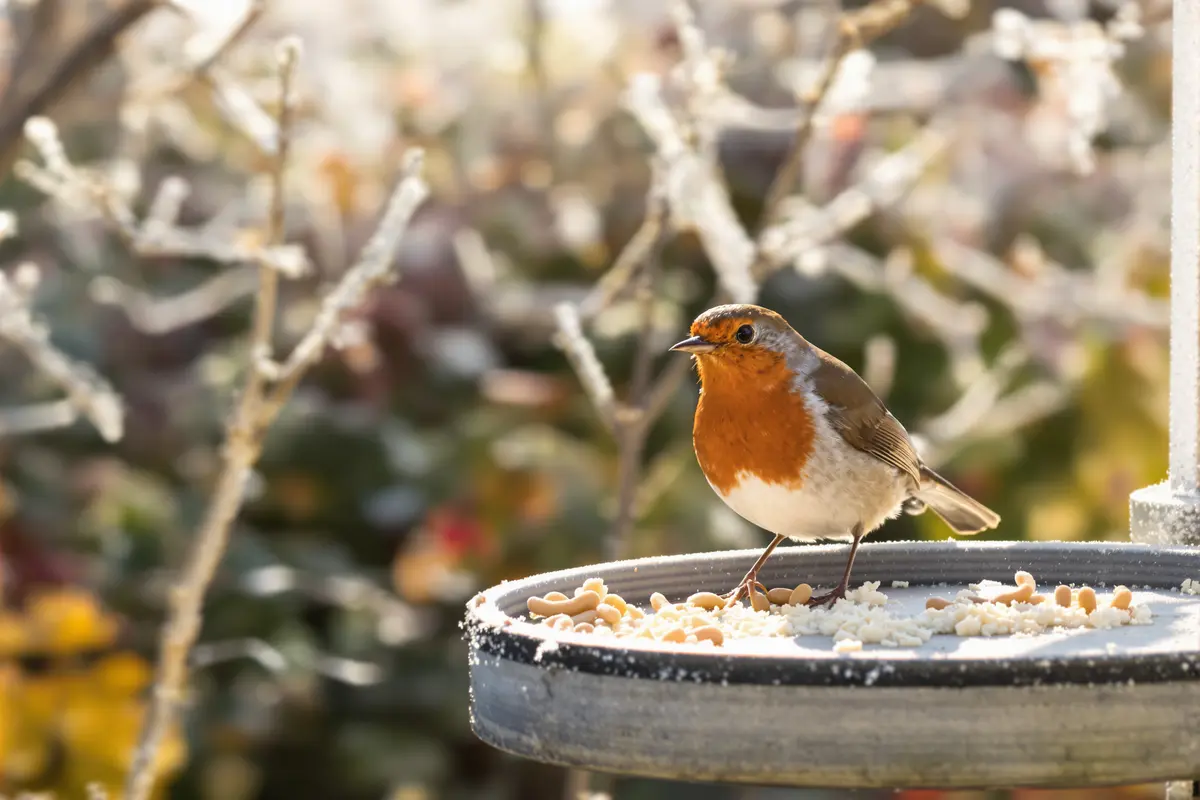
Have you noticed more robins fluttering in your garden lately? While they’re a welcome sight for nature lovers, the RSPCA has issued a surprising and urgent warning for anyone who spots them. And yes—it involves something you probably have in your kitchen right now.
Why robins need more care than curiosity
Robins are small, friendly birds often seen as a sign of spring and tranquility. But behind that charming red chest is a delicate system. These birds are more sensitive than you might think, especially to certain household items we use without a second thought.
One such item is common cooking fat, which many people leave outside in winter as a supposed “treat” for birds. But here’s the shocking truth: many kitchen fats can actually harm or even kill robins and other small birds.
The hidden danger in reused cooking fat
It sounds generous: pour leftover bacon grease or meat drippings into a bowl, set it outside, and wait for the birds to flock. But this good intention can backfire harshly. The RSPCA warns that reused cooking fat can coat a bird’s feathers, making it harder for them to fly, stay warm, or stay dry.
More than that, fats like lard or suet mixed with salty or spicy food scraps can upset a bird’s digestive system. What feels like a homemade bird snack may actually be toxic.
What to do instead: safe feeding options for robins
Fortunately, there are simple, bird-safe alternatives that help robins—not hurt them. Here’s what the RSPCA recommends:
- Use pure, unseasoned suet mixed with bird seed, oats, or dried fruits
- Buy ready-made fat balls or suet cakes from pet shops or garden centers
- Offer grated mild cheese or mealworms—robins especially love these
- Provide fresh fruits like apples, cut into small slices and left on the ground
- Keep feeders and water bowls clean to prevent disease
These options won’t just keep robins safe. They’ll also encourage a healthier and more varied bird population in your garden.
Signs a bird has been affected by harmful fat
If you’ve already set out cooking fat, keep an eye on the birds visiting your yard. Some red flags include:
- Fluffed up feathers even on relatively warm days (a sign they’re cold)
- Difficulty flying or frequent falls
- Visible grease on feathers or patches that look wet
If you see any of these symptoms, remove the food source immediately and consult a local wildlife rescue or vet.
This winter tradition needs a rethink
Many of us set out kitchen scraps for animals in winter, thinking we’re helping. But as the RSPCA points out, good intentions aren’t always good for wildlife. What started as a sweet gesture could become a silent cause of harm.
So the next time you fry up some bacon or roast meat, think twice before pouring that grease into the backyard. Swap outdated habits for safer, science-backed practices. Your garden visitors will thank you for it—in song and feathers.
Keep robins thriving this season
It’s easy to fall into habits—even harmful ones—without realizing it. But now that you know, you can make small changes that make a big difference. Put away that leftover fat. Instead, offer food that supports the health of robins and all birds you’re lucky enough to host.
Your backyard can be more than just a patch of grass—it can be a true safe haven.