
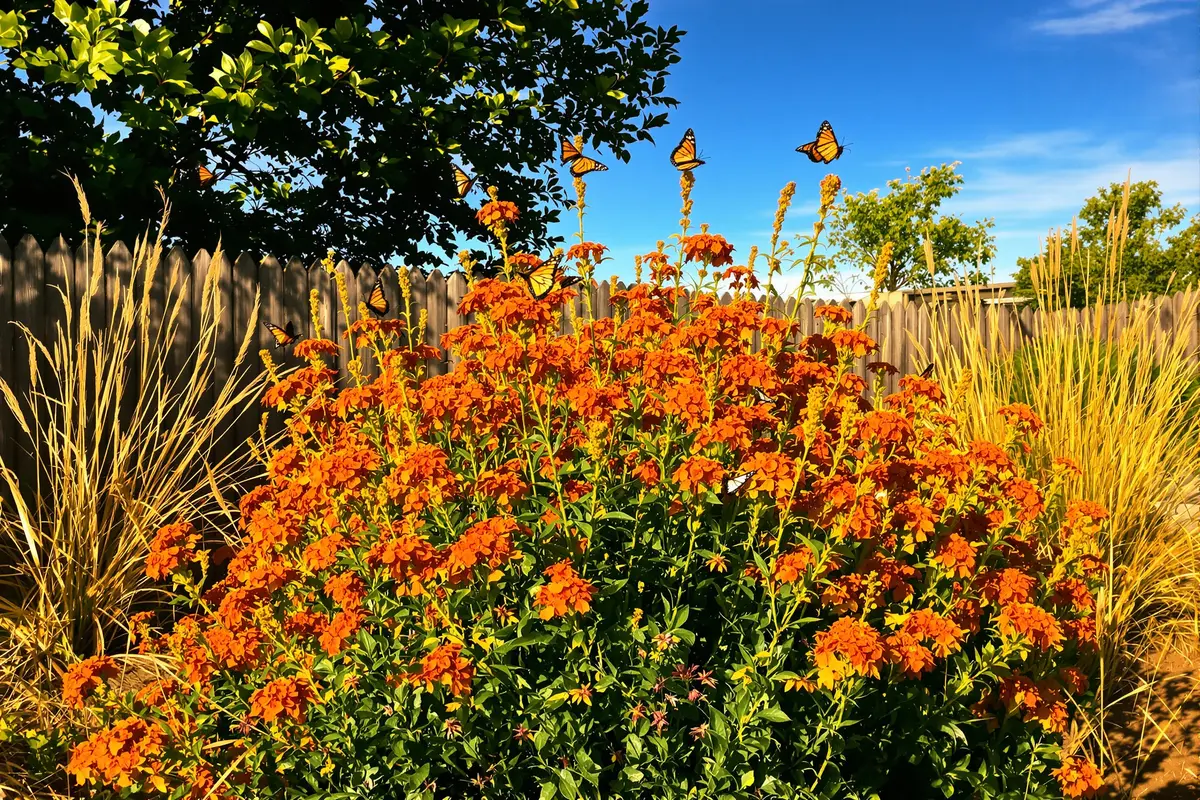
Looking to fill your yard with color, pollinators, and minimal fuss? There’s one plant that checks all the boxes—and it barely needs a drop of water. Whether you’re battling scorching sun or just want a show-stopper that butterflies can’t resist, this low-maintenance beauty may be your new favorite.
Meet the Butterfly Magnet: Milkweed
This tough, sun-loving plant has earned its nickname for a reason. Milkweed, especially varieties like Asclepias tuberosa (aka butterfly weed), thrives in the heat and doesn’t mind dry conditions. Even better? It’s a top choice for attracting monarch butterflies, which rely on milkweed to survive.
In fact, monarch caterpillars only eat milkweed. That means by planting it in your yard, you’re helping support one of nature’s most iconic pollinators—while enjoying constant visits from fluttering wings.
Why Milkweed Loves the Heat
Some plants wilt under summer’s intense rays. Not milkweed. This native plant is built for sunshine. It does best in full sun and tolerates poor soil and drought once established. That makes it a perfect fit for dry or sunny spots where other plants might struggle.
Here’s what makes milkweed so special in tough climates:
- Hardy and drought-tolerant once roots are developed
- Thrives in hot zones and full sun
- Grows in poor soil without fertilizer
- No watering needed after establishment
Choosing the Right Variety
There are more than 100 species of milkweed, but a few stand out for home gardeners. The best part? They all require little care and reward you with months of color.
- Butterfly weed (Asclepias tuberosa): Fiery orange blooms, compact size, blooms in early to late summer
- Swamp milkweed (Asclepias incarnata): Pink flower clusters, prefers a bit more moisture, great for rain gardens
- Common milkweed (Asclepias syriaca): Tall and bold, with sweet-scented lavender-pink flowers
All three are beloved by monarchs, bees, and other pollinators. Just pick the one that fits your yard and watch the wildlife roll in.
How to Plant—and Forget It
This is where milkweed really wins. Plant it once and you’re pretty much done.
Follow these simple steps:
- Choose a sunny spot with well-drained soil
- Plant in spring or fall when temperatures are mild
- Water well the first month to establish the roots
- Skip fertilizers—native milkweed prefers roughing it
After that, milkweed needs almost no care. You won’t need to water during high heat or add anything to the soil. Just sit back and let it do its thing.
More Than Just Beauty
Sure, milkweed adds gorgeous color to your garden. But it also does serious environmental work. Monarch populations have dropped by more than 85% in recent decades. Losing milkweed is a big part of that. Every time you plant even one, you’re giving them a lifeline.
It’s also a plant with deep roots—literally and figuratively. Many Native American groups have used milkweed medicinally and culturally for centuries, from treating warts to weaving its tough fibers into string.
Final Thoughts
Want a stunning, easy-to-care-for plant that butterflies adore? Milkweed is it. With zero fuss and high reward, it turns your hot, dry yard into a living ecosystem. When the monarchs arrive—sometimes in swarms—you’ll know you made the right choice.
Heat-tolerant, no watering once established, and bursting with blooms, milkweed isn’t just a plant. It’s a home for wildlife, a pop of color, and a quiet act of conservation—all rolled into one.