When the sky churns and the wind sounds like a freight train heading your way, it’s time to take winter seriously. This storm won’t just bring snow—it’s packing 70 mph winds and up to 3 feet of accumulation in some places. That’s not just “snow day” weather. That’s blizzard-level danger. So here’s the bottom line: you’ve still got time to prepare—but not much.
The storm is different this time—here’s why it matters
You’ve seen winter storms before. You know what it’s like to shovel your driveway and wait for the plows. But this one’s not your average cold front.
The National Weather Service is calling it a high-impact storm. And for good reason:
- Wind gusts are expected to hit 70 mph
- Snowfall could reach 30+ inches in mountain passes
- Whiteout conditions are likely across parts of the Rockies and High Plains
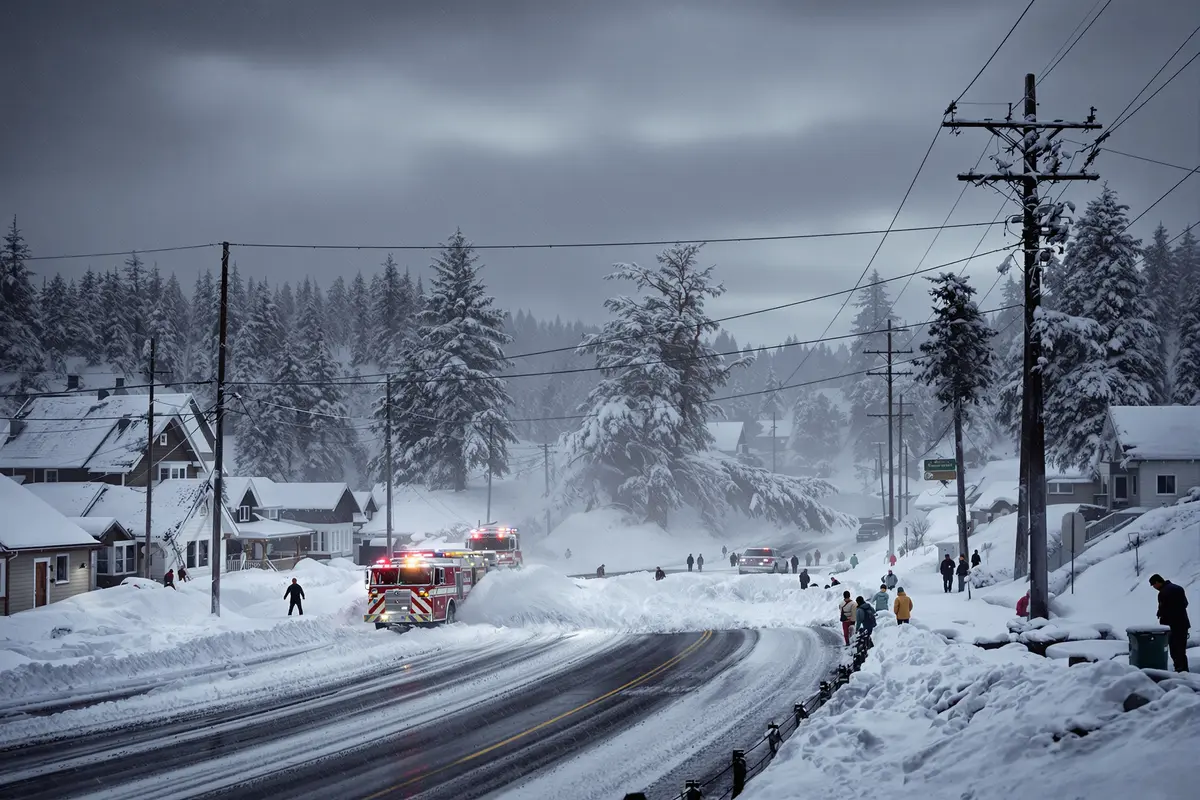
Add all that up, and you get plummeting visibility, blocked roads, and a real risk of power outages that last for days.
What’s the real risk from 70 mph winter wind?
High winds in winter add a whole new level of danger. We’re not just talking about blowing snow. We’re talking:
- Falling trees and snapped power lines
- Damage to roofs and siding
- Snow being tossed back onto cleared roads within minutes
If you’re thinking of pushing through and driving anyway, think again. Visibility could drop to near zero during peak gusts. That’s not discomfort—it’s life-threatening if you get stranded.
Last-minute prep: 60 minutes that make a huge difference
You don’t need a perfect plan—you need a focused hour. Forget the ideal and aim for practical basics. Here’s how to make the most of limited time:
- Power: Charge your phone, a battery pack, and even your car’s battery for backup power
- Light: Find every flashlight and extra battery you own
- Water: Store at least one gallon per person per day, or fill your tub if you rely on a well
- Warmth: Set out dry socks, gloves, and extra blankets; identify a backup heat source if safe
- Food: Stock up on snacks and meals that don’t need cooking—granola bars, peanut butter, bread, canned soup
- Comfort: Board games, books, or downloaded videos can keep kids and adults sane during outages
This isn’t about overhauling your pantry. It’s about being able to get through the next 48 hours without stress compounding the storm.
If you’re still planning to travel—don’t
Highways like I-90 and I-25 may be shut down soon. Even major plows can’t keep pace with snow piling up at 2–3 inches per hour—especially when wind blasts it right back onto cleared pavement.
Emergency crews may be unable to reach stranded vehicles for hours—sometimes even overnight. That’s a terrifying thought in cold and darkness. If you had a trip planned, the safest thing to do now is cancel or delay.
Power outage? Stay safe and stay warm
The power grid will be tested. Heavy, wet snow and intense gusts can knock out electricity with little warning. Be ready to respond:
- Pick one room to stay in and shut the doors
- Layer your clothing and pile on blankets
- Use only safe, approved heating devices—no outdoor grills or camp stoves indoors
If the lights flicker once, don’t wait. Assume the power might go and act fast. That could make hours in the dark far more bearable.
Winter storms form memories—and teach us things too
There’s something revealing about serious weather. Neighbors you rarely speak to offer to help. Strangers become support systems. The world slows down, and your priorities shift fast.
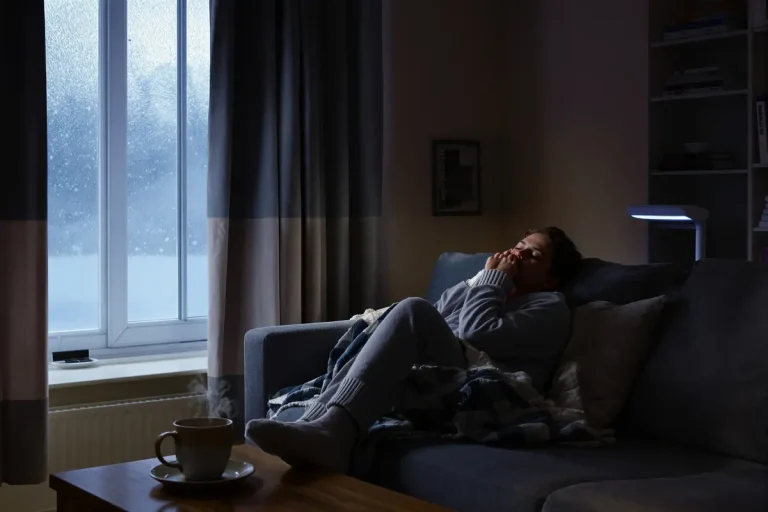
Sometimes that shift is cozy: reading by candlelight, kids amazed by walls of snow. Other times, it’s tense—navigating the cold, the dark, and the silence in a house not built for outages.
But here’s what you’ll remember: how you handled it. How you got ready. How, even in a short window, you took the steps that protected your family.
Frequently asked questions
How dangerous are 70 mph winds during a winter storm?
Winds that strong can take down trees, snap power lines, and cause structural damage. Combined with snow, they create whiteouts and make travel nearly impossible.
What does a Winter Storm Warning mean?
It means the hazardous weather is happening or about to happen. Expect heavy snow and strong winds that can disrupt plans and create unsafe conditions.
Should I cancel planned road trips during a storm like this?
Yes. Even plowed roads may be impassable. Visibility can drop to zero, and emergency help might not reach you until conditions calm.
What’s the best way to stay warm if the power goes out?
Gather in one room, seal it off, and dress in layers. Only use safe heating methods and never bring outdoor appliances like generators or grills indoors.
How much food and water should I have?
Plan for at least one gallon of water per person per day for three days. Choose food that doesn’t need to be cooked, like:
- Granola bars
- Canned soup (if you have a way to heat it)
- Crackers and bread
- Peanut butter
- Fruit like apples or shelf-stable packs
Final thoughts: storms pass, but preparation lasts
This winter storm may only last a couple of days. But the decisions you make right now—how you prep, how you plan—can shape how well you handle it, physically and emotionally.
Even if it feels late, take the next hour. Charge your devices, heat your home, and create a plan. You’ve got time—but not much.