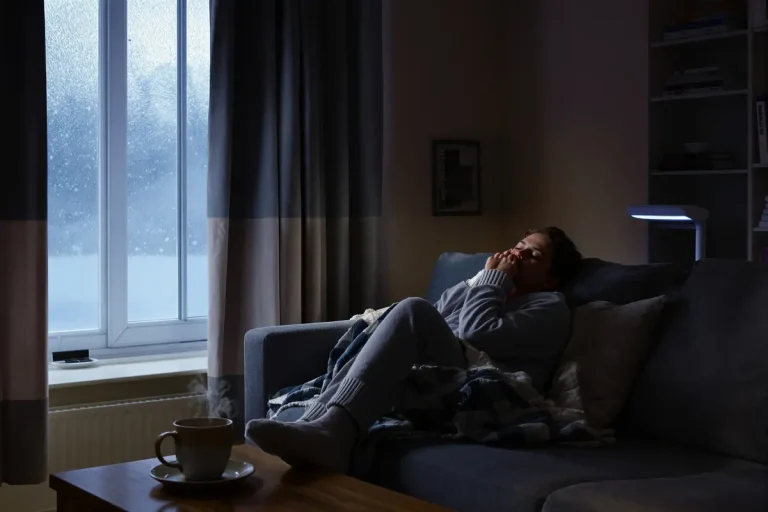
Ever felt unusually tired during the colder months, even if you didn’t do much all day? Winter evenings have a quiet way of pulling your energy down. And no—it’s not just the cold to blame.
While we often think of shorter days and chilly temperatures as the main culprits, there’s more at play. Hidden triggers like light exposure, your body’s internal clock, and even what you eat after dark all play a role.
Your internal clock gets confused by early darkness
Your body runs on a 24-hour cycle called the circadian rhythm. This rhythm controls when you feel awake or sleepy. But during winter, the early sunset tricks your body into thinking it’s bedtime—even if it’s just 5 PM.
That sudden drop in natural light suppresses your serotonin (your feel-good hormone) and boosts melatonin (your sleep hormone). The result? You get foggy, sluggish, and ready to crash way before your usual bedtime.
Lack of sunlight leads to low vitamin D
Sunlight isn’t just for brightening your mood—it helps your body produce vitamin D. In winter, we often don’t get enough daylight exposure, especially in the evenings when it’s already dark.
Low vitamin D levels have been linked to:
- Fatigue that doesn’t go away even after rest
- Low motivation and grumpy moods
- Weaker immune system
You might not notice it at first. But over the weeks, a lack of sunlight can drain your energy slowly and silently.
Cold weather changes your metabolism
When it’s cold outside, your body works harder to stay warm. That uses up extra energy, leaving you more tired by the evening—especially if you haven’t eaten enough or stayed active during the day.
You may also reach for comfort foods—think creamy soups or heavy stews—that spike your blood sugar and then crash it down later. This rollercoaster can lead to feeling sleepy, bloated, and drained by night.
Less movement = less energy
It’s tough to stay active when it’s freezing outside. Your daily walks become shorter—or stop altogether. But moving less leads to poor circulation, lower endorphins, and muscle tightness.
All of that together triggers an “energy drop” that gets worse as the evening goes on.
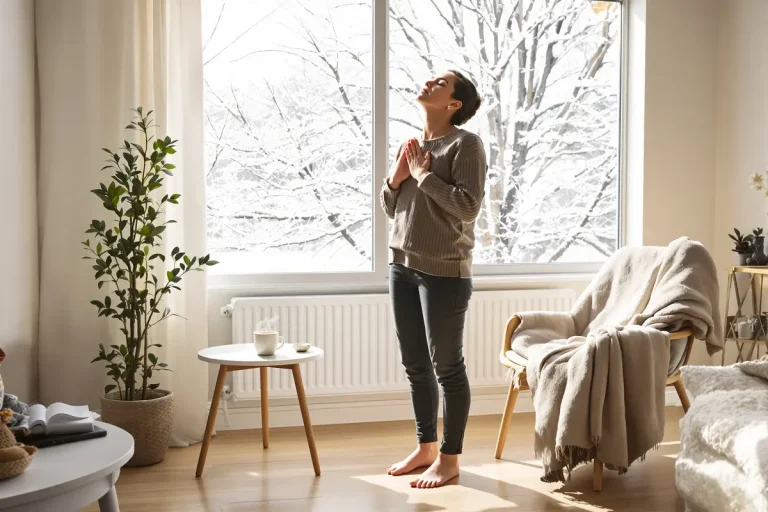
Try simple stretches or a light indoor routine around 6 PM to boost circulation and wake up your system.
Evening habits work against your sleep quality
You might think staying in with a movie and scrolling your phone is harmless wind-down time. But blue light from screens tells your brain it’s still daytime. That keeps you from producing enough melatonin when it’s time to sleep.
Poor sleep doesn’t just leave you groggy the next day—it builds up over winter weeks, making you feel mentally foggy, physically slow, and emotionally flat.
How to protect your energy this winter
Luckily, a few simple shifts can help you fight back against the evening slump. Try these:
- Get morning light: Step outside for 10–15 minutes first thing to anchor your circadian rhythm.
- Move every day: Even a 10-minute walk or light yoga boosts your energy.
- Eat balanced meals: Choose protein, fiber, and healthy fats to avoid sugar crashes.
- Limit screen time after 8 PM: Try reading, journaling, or dim lighting instead.
- Take a vitamin D supplement: Talk to your doctor first, but many people benefit from a small daily dose in winter.
Winter doesn’t have to wear you out
Yes, the nights are longer. And yes, the days are colder. But now you know it’s not just the temperature dragging you down. It’s the mix of light, movement, food, and daily habits that makes the real difference.
With a few mindful changes, you can hold on to your energy—and maybe even enjoy those cozy nights a little more.