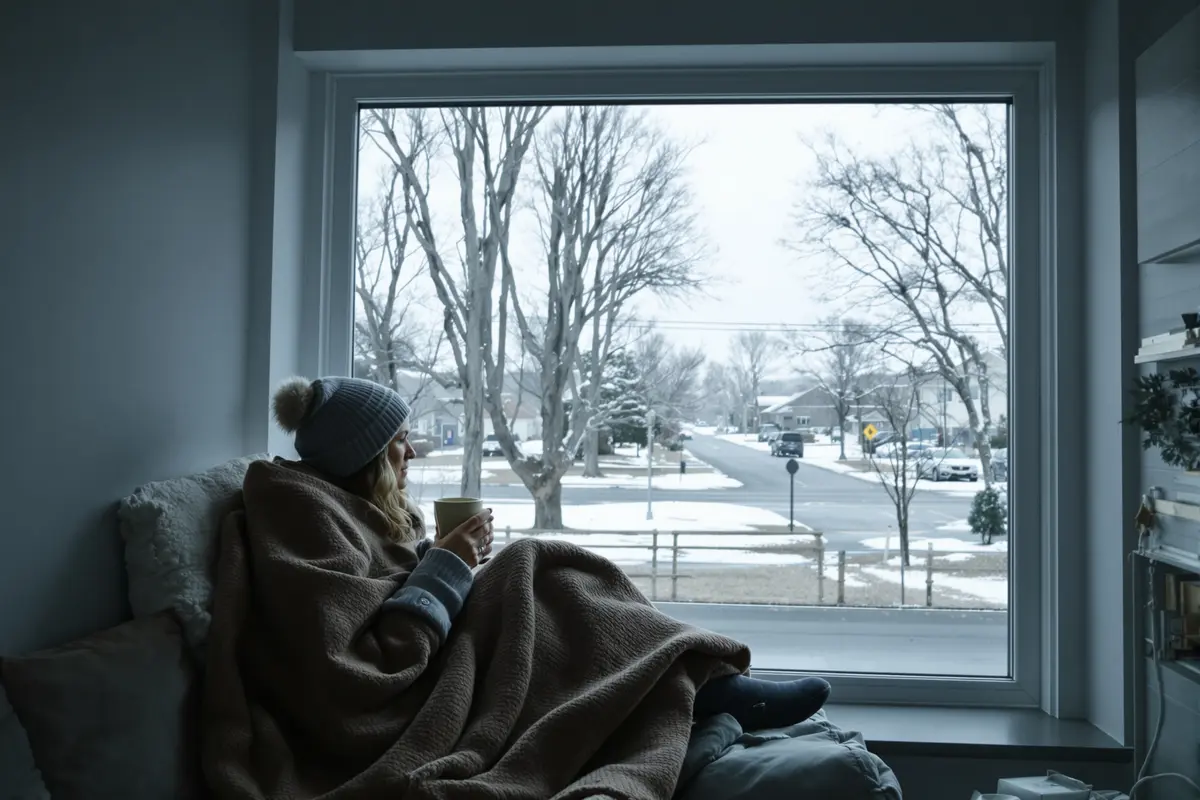
January sneaks up on you. The holidays are done, the decorations are packed away, and suddenly, it feels like the longest, grayest month of the year. If you’ve ever found yourself dragging through January, you’re not alone. There’s a reason this month feels heavier than the rest—and it’s not just the cold. Let’s unpack why January has such a unique way of messing with your mind.
The Post-Holiday Crash
December is full of festive distractions. You’ve got lights, gifts, family visits, and sugary treats everywhere. Then comes January—and it’s quiet. Too quiet.
This sudden drop in excitement can lead to a real emotional crash. You go from high-energy holidays to a kind of emotional hangover. It’s called the post-holiday blues, and it hits hard in January.
You’re also likely facing:
- Credit card bills from holiday spending
- Back-to-work pressure after time off
- Fewer social events and less human connection
The mix of financial stress, isolation, and routine can make the start of the year feel extra heavy.
The Darkness Is Real
January has some of the shortest days and longest nights of the year, especially in colder climates. Less sunlight means lower levels of serotonin—the “feel-good” chemical in your brain.
Low light levels also disrupt your body clock, making it harder to sleep well or feel energized. You might feel groggy in the mornings and sluggish all day.
This can sometimes turn into a more serious condition known as Seasonal Affective Disorder (SAD). Common symptoms include:
- Low energy or motivation
- Changes in sleep or appetite
- Feeling hopeless or down for weeks
If that sounds familiar, you’re not imagining it. January is a peak time for SAD symptoms.
New Year, Big Pressure
We all feel the pressure to start fresh in January. New year, new you, right? But the truth is…
Resolutions can backfire. That gym membership, the diet plan, the promise to be more organized—they sound great, but often set unrealistic expectations. When progress is slow or motivation fades, we blame ourselves.
Instead of feeling pumped up, you might feel defeated just weeks into the year. It’s no wonder so many people give up on resolutions by mid-January.
The Cold Doesn’t Help
It’s hard to feel joyful when your toes are frozen. In most places, January brings the coldest temperatures of the season. That means:
- Spending more time indoors—often alone
- Skipping outdoor exercise or fresh air
- More aches, pains, or stiffness from limited movement
From lack of sunlight to limited flexibility, your body literally feels weighed down by winter. And that turns into mental fog too.
Nothing to Look Forward To
Once the holidays are over, January can stretch out like an empty space. With spring months away and vacations far off, there’s often little excitement on the calendar.
Even if you’re someone who enjoys quiet, too much stillness can start to feel empty. Humans thrive on anticipation—planning something fun, new, or different. Without that, it’s easy to slip into a rut.
How to Take Back Control
January doesn’t have to win. There are small shifts you can make to feel better, even during the gloomiest stretch of winter:
- Get outside every day, even briefly. Sunlight and fresh air help regulate mood and energy.
- Make your own events—host a game night, plan a weekend hike, or book a cozy dinner with friends.
- Set realistic goals: Skip the “all or nothing” approach. Focus on small, daily habits rather than big resolutions.
- Make your space brighter: Open blinds, add lamps, and decorate with warm colors or greenery.
- Talk to someone: If low moods linger, connect with a friend, counselor, or support group.
Final Thoughts
January puts your mind to the test. But knowing why it feels so tough can help you push through. You’re not lazy or broken—you’re just human. And winter is hard.
This month calls for more self-compassion and less pressure. So if you’re feeling off, slow down. Light a candle, take a breath, and remember—brighter days are ahead.