
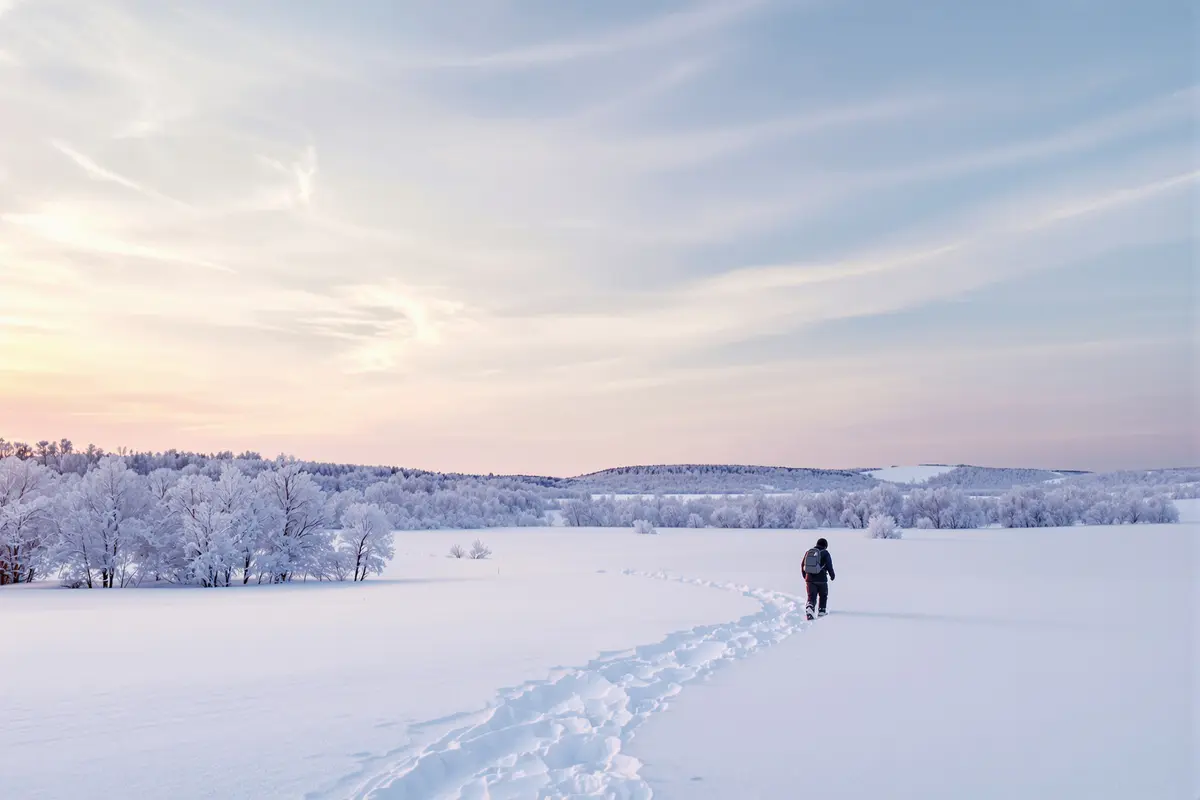
A powerful and nearly unprecedented shift is brewing high in the Arctic skies—and it could ripple across much of the Northern Hemisphere. This January, scientists are warning about a rare event in our atmosphere: a sudden disruption of the polar vortex. It doesn’t happen often, and when it does, the effects can be dramatic. Freezing cold in places that aren’t used to it. Chaotic weather patterns. And the risk of prolonged winter storms, sometimes far from the poles.
What is the polar vortex—and why does it matter?
The polar vortex is a large pocket of cold air that sits over the Arctic. It swirls like a huge spinning top, usually contained by a strong jet stream. But sometimes, that containment breaks.
When this swirling column weakens or splits, bitter cold air leaks southward into parts of North America, Europe, and Asia. Think of it like opening a freezer door in the dead of winter—it’s not just cold, it’s stubborn cold.
This year, a major shift in the vortex is expected to happen in January, which is early compared to most occurrences. What makes it even more unusual is how intense and fast this reversal seems to be developing.
Why experts are calling this shift “nearly unprecedented”
According to atmospheric scientists, the expected pattern in January is one of the strongest early-season disruptions they’ve ever recorded. Usually, such disruptions take place later in the winter, when the vortex has become more fragile.
But this year, upper atmospheric data is showing a rapid weakening known as a Sudden Stratospheric Warming (SSW). That’s when temperatures in the stratosphere over the Arctic suddenly rise by as much as 50 degrees Fahrenheit. It flips the normal air circulation and triggers a cascade of weather effects.
How could this affect your weather?
This event isn’t just happening “up there.” Its effects can be felt directly on the ground. Here’s what to watch for in the weeks after the vortex shifts:
- Colder-than-normal temperatures in parts of the United States, Canada, and Europe
- Increased chance of snowstorms, especially in regions unaccustomed to heavy snow
- Lingering cold patterns that hang around longer than a typical Arctic blast
- Unpredictable shifts in temperature—even flip-flopping between unseasonal warmth and sharp cold in days
While not every winter storm can be tied to a polar vortex event, these disruptions tend to create more extreme and longer-lasting cold spells, especially when combined with other Arctic events like sea ice loss or shifting ocean currents.
How rare is this really?
Sudden Stratospheric Warming doesn’t happen every year. And when it does, it usually peaks in February. What’s making this year unusual is the timing, and the strength.
Meteorologists are describing this as an “early and strong SSW”—a combination they say has only happened a handful of times in the past several decades. In fact, the upcoming pattern isn’t just rare—it could be one of the strongest polar vortex disruptions on record for January.
What you can do—weather-wise and mindset-wise
You can’t stop the winds at 30 miles high—but you can get ready for what might follow. Here’s how:
- Prepare for sudden weather changes: It might go from mild to freezing fast. Make sure your winter gear is ready.
- Watch the forecasts closely: Local meteorologists will start seeing the downstream effects about a week or two after the SSW.
- Expect surprises: Normal patterns may not hold. Cities that usually escape harsh cold could see snow. Areas used to snow might get even more.
- Think beyond the weather: Scientists say events like this underline how sensitive the climate system is. It’s a reminder to stay tuned into bigger environmental trends.
What scientists are still trying to understand
Polar vortex shifts are still being studied. What triggers a strong SSW in one year versus another? How closely are they tied to climate change or melting Arctic ice?
And maybe most important: how much more frequent or intense will these disruptions become? Climate models are still catching up.
Every new SSW gives scientists a chance to learn—and this January could be one of the most telling in recent memory.
Final thoughts: It’s not just cold—it’s complicated
At first glance, an early polar vortex shift just sounds like more winter weather. But it signals a deeper shift in our atmosphere. It’s a rare event that could redefine January for millions of people.
So when the cold hits, it’s not just another chill. It’s part of a bigger story—a swirling reminder from the sky that our weather is full of surprises, even in the dead of winter.