A stunning discovery in southern France is making global headlines. Beneath a quiet countryside lies what could be one of the largest oil fields found in Europe in decades. This find isn’t just big—it’s game-changing. And it may shift how we think about energy, politics, and the future of oil across the continent.
Where is the oil and how big is it?
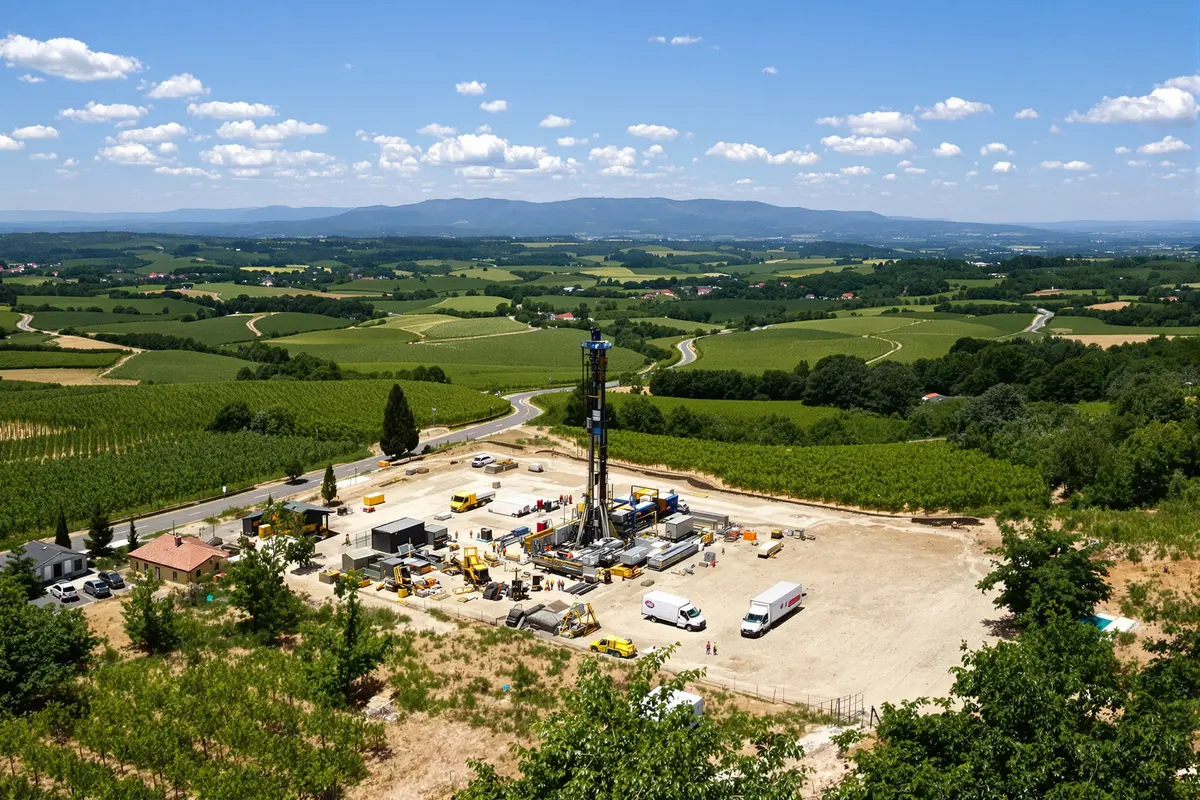
The oil field was discovered in the Ardèche region of southern France, a place more often known for its wine and hiking trails. But about 1.2 miles below the surface, there’s a geological jackpot. Experts estimate there’s as much as 1 billion barrels of crude oil trapped underground.
To put that into perspective, France currently produces just a small fraction of the oil it consumes. This discovery has the potential to multiply France’s oil output by more than 100 times—at least on paper.
Why this changes the energy game
In Europe, oil production has been declining for years. And with the continent trying to shift toward renewables, there was a sense that oil might be left behind. But this find could spark big debates about balancing energy independence with climate goals.
Drilling at home means fewer imports, especially from politically tense regions. And with energy prices still unpredictable after recent global events, some experts see this as a safety valve France might not want to ignore.
So, is France going to become the next oil giant?
Not so fast. An oil field is one thing. Extracting that oil, refining it, and delivering it to market is a whole different story. There are huge legal, environmental, and political hurdles ahead.
- France has strong climate policies aimed at cutting fossil fuel use over time.
- Local communities might resist drilling operations due to noise, pollution, and land disruption.
- Infrastructure for oil in the region is limited or non-existent.
- It could take 5 to 10 years to truly begin commercial extraction—if it’s approved at all.
Still, the sheer size of the field is forcing the conversation. France now faces a choice few expected: embrace a multi-billion euro oil reserve or lock it underground in favor of green energy goals.
What does this mean globally?
Oil analysts are already adjusting their forecasts. A massive new supply entering the European market—especially if other similar fields are found nearby— could lower long-term oil prices or reduce reliance on Middle Eastern and American suppliers.
It also means other European countries might step up their own oil exploration efforts. If France, a country committed to climate action, is even considering oil drilling again, it could give others political cover to explore as well.
Environmental concerns and local protests
Not everyone is cheering. Environmental groups in France are demanding transparency and strict public debate before any next steps are taken. They see the oil field as a dangerous distraction from the country’s environmental promises.
Locals in the Ardèche region are also divided. Some welcome the potential jobs and investment. Others fear the long-term damage to landscapes, water quality, and tourism.
“We’ve protected this land for generations,” one resident told reporters. “Is a short-term boom worth the risk?”
What happens next?
For now, French energy regulators are still evaluating the discovery. An initial test drilling permit has been filed, but whether full-scale development moves forward will depend on several key forces:
- Public opinion and potential protests
- Government decisions aligned with France’s climate goals
- Economic feasibility (can the oil flow at a profit?)
- International pressure from EU climate agreements
All eyes are on Paris and the energy ministry. Any decision here could set a precedent for how the EU balances climate leadership versus short-term energy security.
Could this oil field really change everything?
If tapped, yes. A field this rich could restructure energy flow in Europe, give France more leverage in global markets, and even influence CO2 emissions trends depending on how its oil output replaces or supplements current energy mixes.
But perhaps more importantly, this moment forces a hard conversation: what kind of energy future do we want? France, often a leader in clean tech and nuclear energy, now has both a golden ticket and a moral dilemma deep in its soil. What it chooses will affect more than just fuel prices—it could signal the next phase of Europe’s energy horizon.