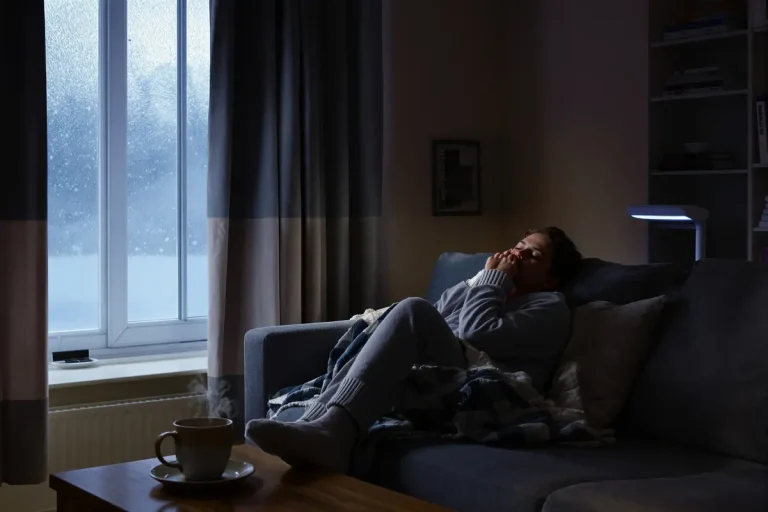
Imagine walking outside at noon and seeing the sky darken as if twilight arrived early. Birds fall silent. Streetlights flicker on. For a few surreal minutes, day turns into night. And this time, it’s not just any eclipse—it’s set to be the longest total solar eclipse of the century.
What Makes This Eclipse So Special?
This isn’t your average solar event. A total solar eclipse happens when the Moon passes directly between the Earth and the Sun, perfectly covering the Sun’s face for a short time. But during this upcoming eclipse, everything lines up just right for something rare: an unusually long totality.
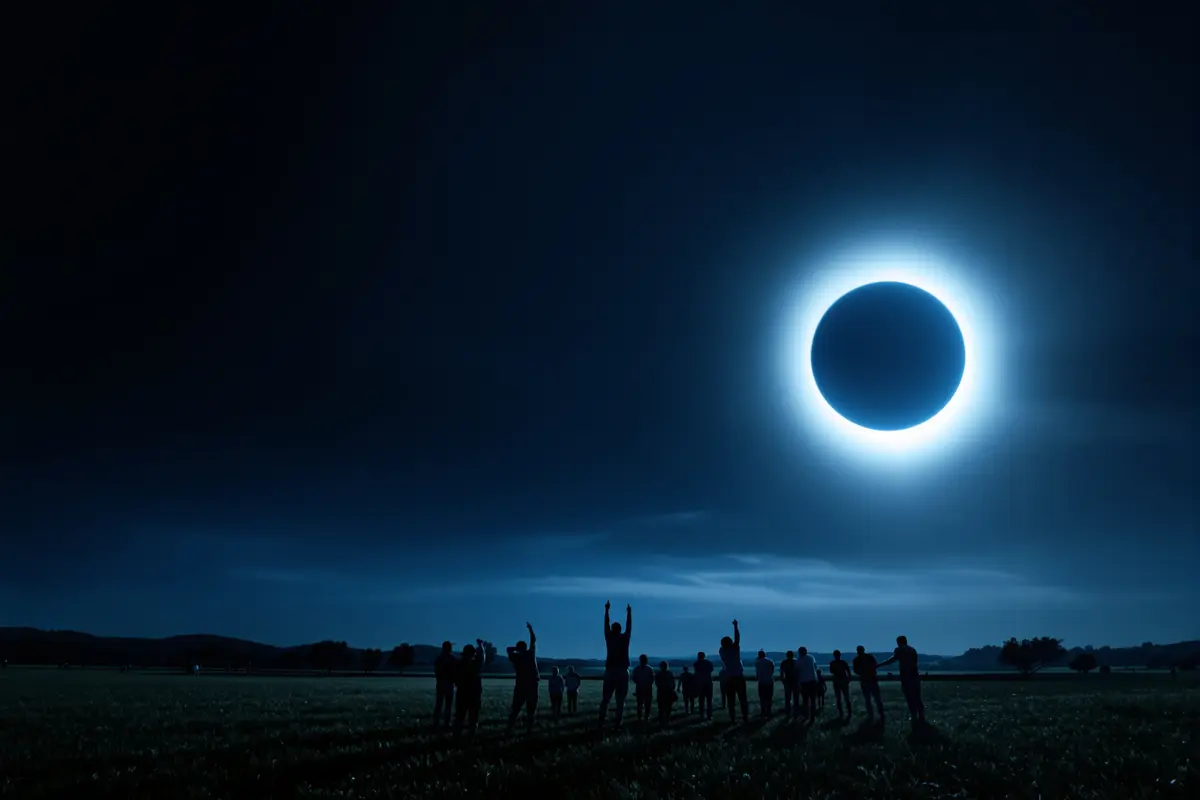
At its peak, people in the narrow path of totality will witness several full minutes of complete darkness during the day. It’s the longest stretch of totality you’ll experience in the 21st century. A rare chance to feel like the world has paused.
What You’ll See and Feel During Totality
As the Moon’s shadow sweeps across the Earth, the transformation will be unforgettable. Bright daylight will fade into a deep, odd-looking twilight. The temperature may drop slightly. Shadows will sharpen and twist strangely. And for those few awe-filled minutes, people will look up and see the Sun’s corona glowing around the dark circle of the Moon.
All across towns, cities, mountains and coasts, reactions will follow a common pattern: a stunned hush. A gasp. Then cheers, photographs and texts flying across social media.
How to Watch Safely: Protect Your Eyes
Watching a solar eclipse is exciting—but you must protect your eyes. Looking at the Sun without proper protection, even for a second, can cause permanent eye damage.
Here’s how to stay safe:
- Use certified eclipse glasses labeled with ISO 12312-2.
- Use a solar filter if you’re viewing through binoculars or a telescope.
- Try the pinhole projector method: poke a small hole in cardboard and project the Sun onto another surface.
Don’t use regular sunglasses, no matter how dark they are. And never let children view the eclipse without supervision and proper gear.
The One Time It’s Safe to Look
There’s only one window where it’s safe to view the eclipse without glasses: during totality, when the Sun is completely covered. This brief moment reveals a glowing halo—the corona—around the Moon’s edges. It’s hauntingly beautiful, and completely safe to experience directly with your eyes. But be ready to put those glasses back on the instant the Sun peeks out again.
Simple Tips to Prepare for Eclipse Day
Make the most of this rare experience by preparing ahead. Here’s what you can do:
- Get your gear early: certified glasses or pinhole viewers.
- Check local eclipse times: know when the eclipse starts and when totality hits your location.
- Choose a safe viewing spot: avoid busy streets or obstacles that could block your view.
- Assign roles: have someone manage gear, someone keep an eye on little ones, and someone just soaking in the moment.
Pro tip: Take your photos quickly or set your camera up ahead of time. Then put the tech down. Look up. Enjoy the stillness. Feel the sky change color on your skin.
A Few Minutes That Might Stay With You for Years
This eclipse won’t just be an astronomical event. For many, it will be an emotional one too. Something about the sudden darkness—when clocks keep ticking but light fades—touches a deeper part of us. In ancient times, people believed eclipses were omens. Modern science explains it, but the feeling when the world grows silent in the middle of the day? That’s still powerful.
You might be watching from a beach. Or from an apartment balcony, cereal box in hand. Whether it’s a planned road trip or a last-minute step outside, what stays with you won’t just be the spectacle. It’ll be the silence, the strange light, the realization that space and time aren’t as fixed as they seem.
More Details to Know
| Key Point | Detail | Value for the Reader |
|---|---|---|
| Safely observing the eclipse | Use certified eclipse glasses, pinhole projectors, or solar filters | Protects your eyesight and allows safe viewing |
| When can you look without protection? | Only during totality, when the Sun is fully covered | Helps avoid serious eye damage by knowing the exact safe time |
| Maximizing the experience | Plan your gear, location, and schedule ahead | Lets you enjoy the moment without stress or distraction |
Frequently Asked Questions
How long will this total eclipse last?
It depends on where you’re standing along the eclipse’s path, but at its longest, totality can last several minutes—longer than any other total eclipse this century.
Can I use regular sunglasses to watch?
No. Sunglasses, photographic film, or homemade filters won’t block the intense light and heat of the Sun. You can seriously damage your eyes.
What if I live outside the path of totality?
You’ll still see a partial eclipse in surrounding regions. It’s not complete darkness, but it’s still a remarkable sight—especially when the Sun turns into a glowing crescent.
Will there be online options to watch?
Yes. Many observatories, media stations, and space agencies will livestream the eclipse, often with expert commentary and views from multiple locations.
One Sky, Shared by Millions
Total solar eclipses are rare reminders that we live beneath a shared sky. People across continents, speaking different languages, will all look up and see the same shadow move across the Sun. Whether you’re a seasoned eclipse chaser or this is your first one, take a moment to step back and feel the scale of it.
The longest eclipse of the century is coming. Don’t blink. And don’t look straight at it—unless it’s totality. Then, maybe just once—look up, and let the darkness wrap around you.