
If you think olive oil is the healthiest fat in your kitchen, you’re not alone. But there’s another oil that’s been quietly gaining attention—for the right reasons. It’s more affordable, just as heart-friendly, and even better for some types of cooking. Ready to upgrade your pantry?
The surprising oil making waves in healthy kitchens
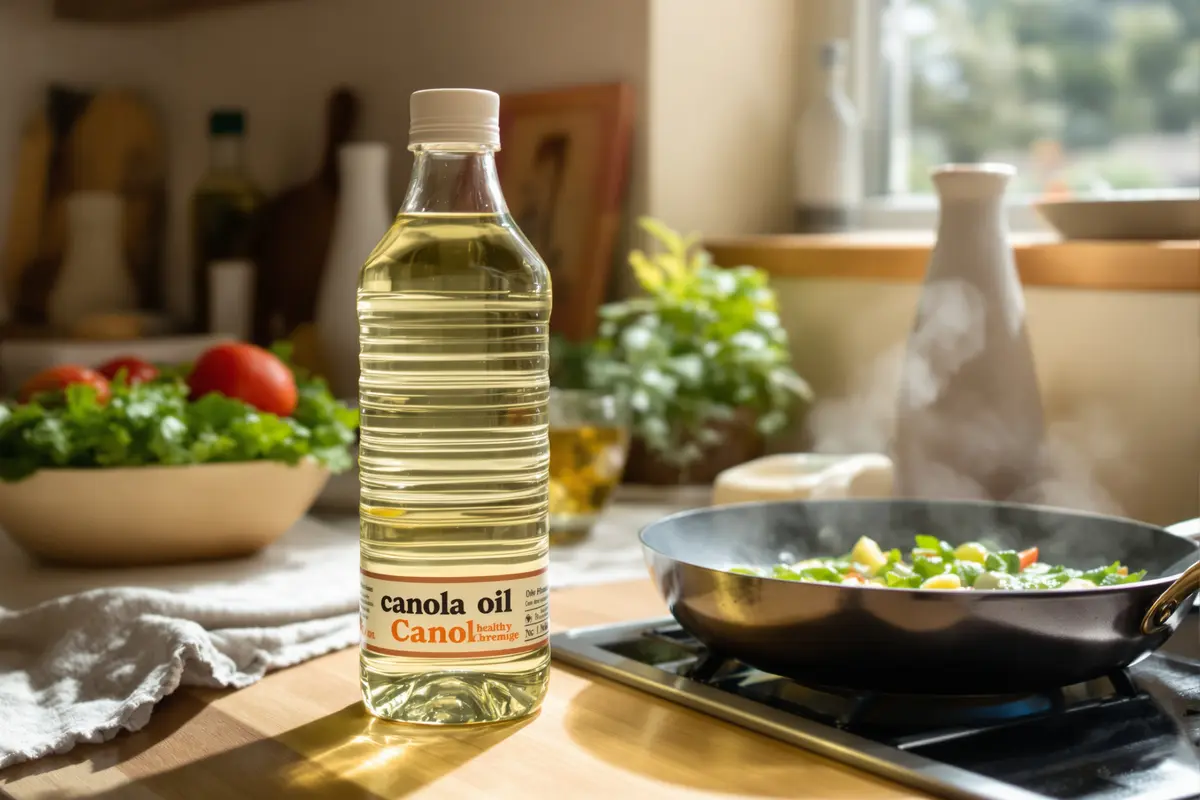
Say hello to canola oil, the quiet underdog in the world of cooking fats. While olive oil has long enjoyed the spotlight, canola oil is now being recognized for its impressive health profile and budget-friendly price tag.
Unlike highly processed oils like vegetable or corn oil, canola oil is often cold-pressed and less refined. That means you keep more nutrients without sacrificing taste or versatility.
Why canola oil stands out
- Heart-healthy fats: Canola oil is rich in monounsaturated fats—just like olive oil—but with even lower saturated fat. In fact, it contains only about 7% saturated fat, one of the lowest of all cooking oils.
- Omega-3 boost: It has omega-3 fatty acids, important for brain and heart health. These are the good fats your body can’t produce on its own.
- Neutral taste: Its light flavor means it won’t overpower your meals. Whether you’re making stir-fries, baking muffins, or sautéing veggies, it works quietly in the background.
- High smoke point: Canola oil is safe to cook at high temperatures—up to 400°F (204°C). That’s ideal for roasting, frying, or grilling.
- Affordable: It typically costs 30–40% less than extra virgin olive oil, making it a great option for families on a budget.
Time to rethink olive oil?
Don’t toss your olive oil just yet. It still brings strong antioxidants and flavor to raw dishes like salad dressings or drizzled over roasted vegetables. But when it comes to all-purpose cooking, canola oil is often the smarter choice.
For example, olive oil can burn and lose nutrients when exposed to high heat. Canola holds its structure and nutrition better in these scenarios.
Common myths about canola oil—busted
You’ve probably heard rumors. That it’s genetically modified, or heavily processed. Here’s the truth:
- GMO concerns? While some canola crops are genetically modified, there are plenty of non-GMO and organic versions available.
- Processing? Look for cold-pressed canola oil for a cleaner, less refined option, just like you’d do with olive oil.
It’s about reading labels and picking the right product. Not all canola oil is created equal—but neither is all olive oil.
How to swap it into your cooking
Making the switch is incredibly simple. Use canola oil in place of olive oil in recipes that need heat or a neutral flavor. Here are some easy swaps:
- Frying chicken or fish? Canola oil keeps it crispy without the strong aftertaste.
- Baking banana bread or muffins? It gives a moist texture without changing the flavor.
- Sautéing greens or mushrooms? You’ll get that perfect sear without smoke or bitterness.
The bottom line: save money, stay healthy
Olive oil will always have a place in your kitchen, especially for cold dishes and special flavors. But if you’re looking for a healthier, more affordable, and heat-tolerant oil, it’s time to give canola oil a real shot.
It might just be the pantry upgrade your budget—and your heart—will thank you for.