
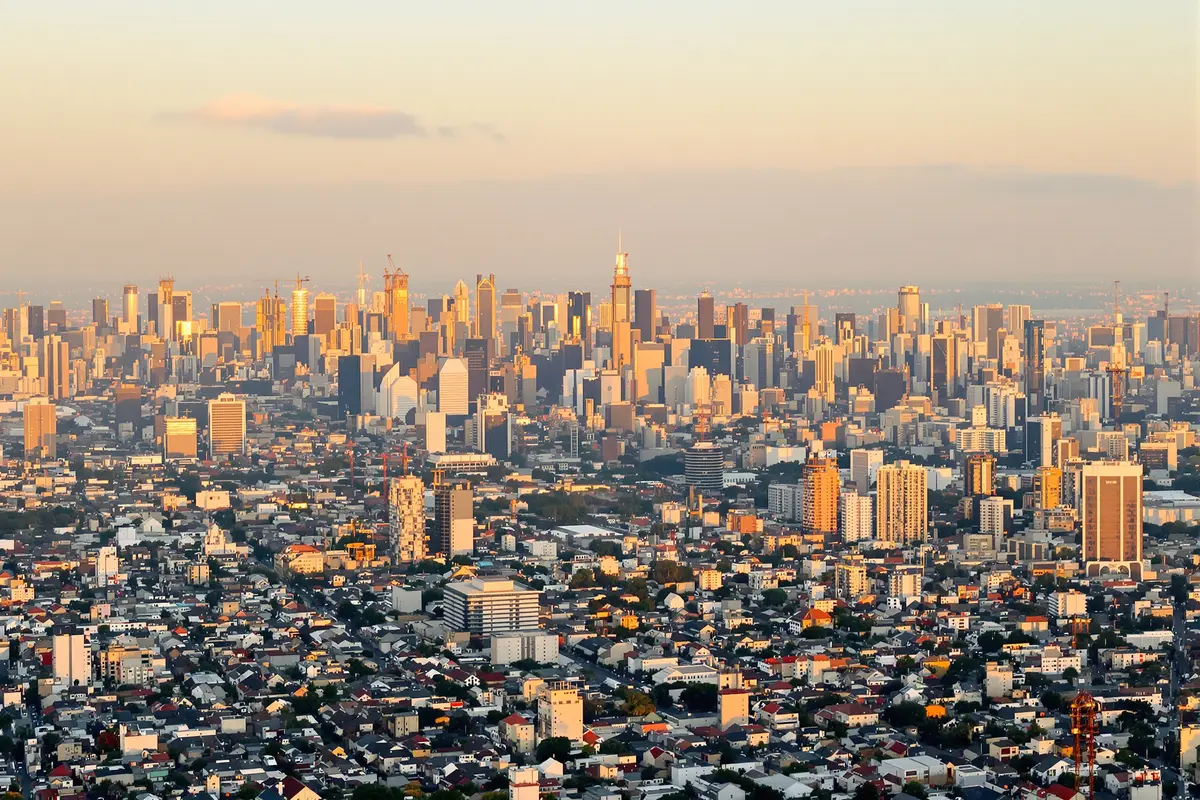
What if you could stop a city from sinking—just by pushing water into the ground? That’s not science fiction. It’s a decades-old engineering trick that’s quietly holding up some of the world’s biggest cities. Places like Shanghai and Mexico City were sinking fast. Then engineers turned the tide—by doing something that sounds backward: injecting water deep underground.
When cities start to sink, warning signs are subtle
Land subsidence doesn’t scream for attention. There’s no bang or crash. Instead, it creeps in—slow and quiet. You might notice a door that sticks, a crack in the sidewalk, or a bridge joint that doesn’t fit like it used to. Maybe a flood rises just a little higher than last year. It’s easy to dismiss at first.
But in cities like Shanghai, Jakarta, and Mexico City, those little signs add up. Layers of earth compact, buildings tilt, and infrastructure starts to strain. Engineers call it “settlement”. To residents, it’s simpler—and scarier: they’re sinking.
Why do cities sink in the first place?
Many big cities are built on soft clay, sand, or river delta sediments. Beneath all that are layers of rock that hold water, oil, or gas. When people pump those fluids out—usually for drinking water or energy—the earth acts like a sponge being squeezed. The rocks compact. The surface dips.
In the past century, this was widespread. In the 1960s and 70s, Mexico City was sinking up to 40 centimeters per year. Streets buckled, pipes snapped, and buildings tilted. Shanghai faced the same challenge as it pulled groundwater and hydrocarbons to power rapid growth. Some neighborhoods dropped by more than two meters.
The unexpected solution: put some water back
Here’s where the story turns. Engineers realized that if pulling fluids out causes sinking, maybe pushing something back in could help. And it worked. They started practicing “water injection”—pumping treated water into those same deep layers that had been emptied.
This isn’t a full reset. The earth doesn’t pop back into shape. But it changes the pace. When you restore pressure in the rock’s pores, the load gets shared again. The land stops settling so fast. In Shanghai’s case, the sinking slowed from centimeters to millimeters per year. In some parts, it nearly stopped.
How water injection works underground
- Engineers drill injection wells deep into old oil or gas reservoirs.
- They pump treated water down at regulated pressure levels.
- Water flows through the rock’s tiny pores, restoring subsurface pressure.
- This reduces how much the ground above compresses.
The system acts like an invisible brace—supporting millions of people living in buildings up top. It’s low-key, but highly technical. Monitoring is constant. If you inject too fast, you risk cracking the rock or triggering small quakes.
Where is this already being used?
This approach isn’t just theory. It’s been proven in Shanghai since the 1990s. There, engineers carefully coordinated groundwater limits with water injection programs. Satellite and GPS data showed a dramatic slowdown in land movement. Other cities like Jakarta and parts of Mexico City have followed suit or are ramping up similar efforts.
Is it safe to live above an injection zone?
When done correctly, yes. Safety depends on careful planning. Before injecting, teams analyze pressure maps, underground fault lines, and well logs. Engineers stay well below the pressure that could fracture rock.
To protect the people and city above, strict protocols are followed:
- Baseline ground level and pressure data before any injection.
- Always use treated or chemically compatible water.
- Avoid exceeding rock fracture pressure—even if models say it’s okay.
- Monitor constantly via satellites, GPS, and borehole sensors.
What does this really buy us? Time.
Water injection doesn’t offer a magic fix. It’s a delay, a buffer. A chance to plan for rising seas, to improve drainage, to upgrade buildings, to rethink growth. In the age of climate change, those extra decades could mean the difference between adaptation and catastrophe.
As one veteran engineer put it during a workshop in Jakarta: “People think what we do is technical. But what we are really selling them is time. Time for their kids to still live here.”
FAQ: Understanding water injection in cities
Does pumping water into old oil fields really stop land subsidence?
Not completely—but it slows it dramatically. By restoring underground pressure, the rate of sinking goes from severe to manageable.
Is this technique safe for people living above the injection zones?
Yes, if carefully monitored. The key is slow injection, continuous measurement, and staying below the fracturing point of the rock.
Where is this method already being used in big cities?
Shanghai is the most developed example. Some areas of Mexico City and Jakarta are exploring or implementing similar approaches.
Can water injection solve the threat of sea-level rise for coastal megacities?
No—but it buys critical time. It won’t stop the sea, but it can keep the ground from collapsing while cities upgrade levees and drainage.
Who pays for these long-term underground projects when the benefits are mostly invisible?
It requires government commitment and long-term thinking. Funding often comes from public infrastructure budgets, sometimes supported by global climate resilience initiatives.
Living on borrowed height in a changing world
The quiet fact is this: some of the world’s busiest cities are running on borrowed height. The buildings feel steady. The streets hum with life. But deep underground, it’s water and rock pressure keeping everything balanced.
Water injection might not make the headlines. Yet it’s keeping millions of people safe, every single day. The question for leaders now is simple but urgent: what will we do with the time we’ve just bought?