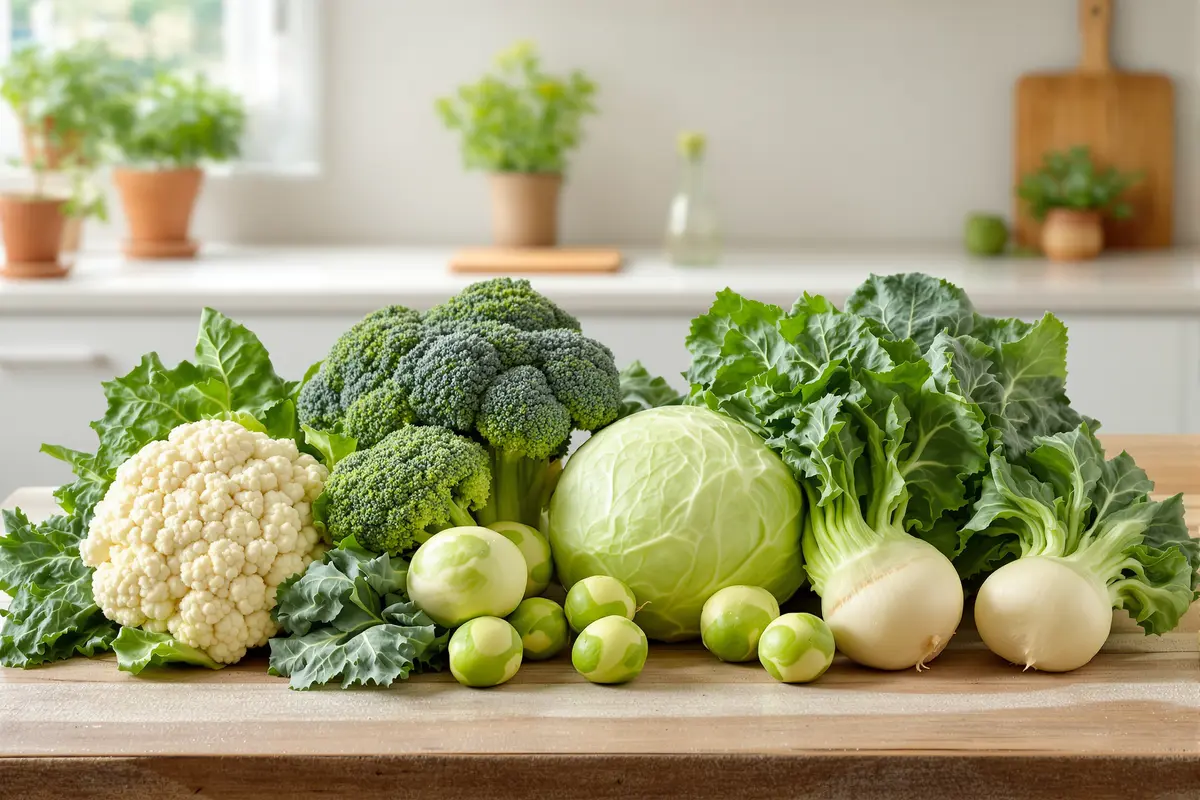
It sounds unbelievable at first: cauliflower, broccoli, and cabbage are all the same plant species. That’s right—they come from the same botanical ancestor. Not just close cousins or part of the same family, but different versions of the same species. This fascinating truth about your dinner plate is a perfect mix of science, history, and a little human creativity.
One plant, many faces: meet Brassica oleracea
The key to this mystery is a single species: Brassica oleracea. This wild plant originally grew along the rocky coastlines of Europe. Over thousands of years, farmers selected and grew it with one goal in mind—improving different parts of the plant. And the results? Six completely different vegetables, each bred for a unique trait.
- Cabbage: Bred for its compact, leafy head
- Kale: Selected for large, nutritious leaves
- Broccoli: Grown for flowering buds and thick stalks
- Cauliflower: Chosen for dense, white flower clusters
- Brussels sprouts: Known for miniature cabbage-like buds on the stalk
- Kohlrabi: Cultivated for its swollen, edible stem
They might look and taste wildly different, but genetically, they all come from the same parent. It’s like having six siblings who each followed a totally different path in life—but all share the same DNA.
Selective breeding: nature shaped by humans
Humans have been shaping plants for thousands of years. Before we had modern technology, ancient farmers noticed that certain plants grew better leaves, fatter stems, or larger buds. They chose to plant seeds from those better versions again and again.
This kind of targeted growing led to what’s called selective breeding. Over time, certain traits became more distinct. Cabbage became rounder. Broccoli got bigger flower clusters. And cauliflower developed that pale, tight head we’re used to seeing in supermarkets.
It’s not genetic modification in a lab—it’s slow, steady selection over generations. Think of it as plant evolution guided by human hands.
What’s the difference between these veggies then?
If they’re the same species, why do they look and taste so different? The answer lies in how the plants grow and what part we eat:
- Kale: You eat the leaves.
- Cabbage: Also leaves, but packed tightly into a head.
- Broccoli: The flowering part, before it blooms.
- Cauliflower: Like broccoli, but with a tighter, paler flower head.
- Brussels sprouts: Tiny leaves that form along the stem.
- Kohlrabi: A swollen stem that’s crisp and juicy.
The plant didn’t change species—it just got reshaped through what part people valued most. That’s what makes this story amazing. One plant, many looks, endless flavors.
The power of plant diversity on your plate
This surprising truth highlights how agriculture and food connect us across time and culture. You may not realize it, but every time you cook one of these veggies, you’re using a living piece of history. Brassica oleracea keeps evolving as farmers and gardeners continue to innovate.
Next time you’re at the grocery store and see these vegetables lined up, take a second look. You’re seeing one species in disguise, each form showing off what thousands of years of human curiosity and patience can do.
Why knowing this matters
We often think about food as fixed—broccoli is broccoli, right? But this story reveals how flexible and powerful nature can be when paired with human intention. It also helps explain why these vegetables have similar health benefits. They’re all rich in fiber, vitamins C and K, and plant compounds called glucosinolates, which are known for their cancer-fighting properties.
So whether you’re roasting cauliflower, sautéing kale, or steaming Brussels sprouts, you’re not just feeding yourself—you’re tasting one plant’s amazing potential.
Final thought: the same, but so different
What looks like six vegetables in your fridge actually came from just one wild species. It’s a great reminder that variety doesn’t always come from starting over—it can come from reimagining what you already have.
Now that you know the secret, broccoli and cauliflower may never look the same again. And that might just make your next meal a little more magical.